










Early Years Practice- 3.10 Physical Contact
Policy statement
This policy is designed to act as a guideline for anyone with responsibility for the intimate care of the children at Silver Stars Day Nursery. It outlines the guidelines for best practice.
At Silver Stars Day Nursery, all adults who come into contact with children have a duty of care to safeguard them and promote their welfare. Children learn best when they are healthy, safe and secure. The Children Act 1989 places the wellbeing of the child at the centre of keeping them safe and does not prevent staff from helping with ordinary basic physical needs. All staff working at Silver Stars Day Nursery know that inappropriate behaviour with or towards a child or children is unacceptable.
Physical contact
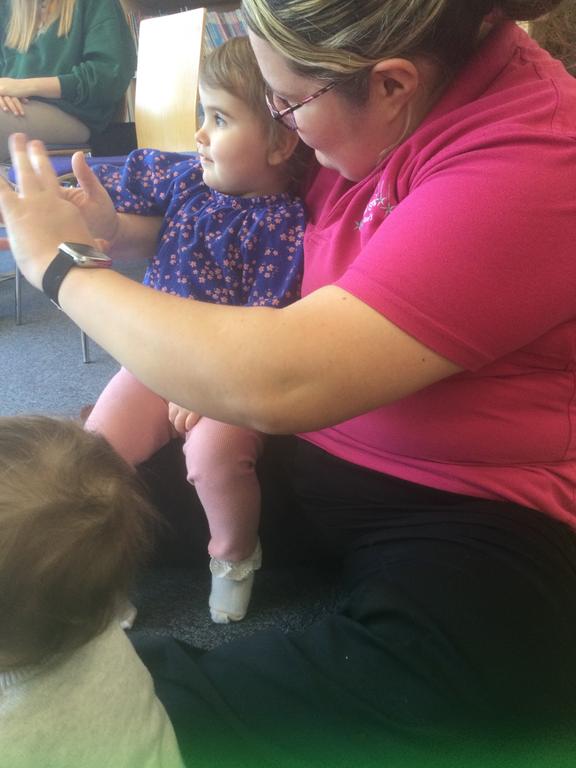
At Silver Stars we care for very young children. There will be times when staff are required to have close physical contact with a child. It is also important for the children to feel safe, secure and loved in their environment. We understand that children can react differently to physical contact and we respect this. Staff have received training in safeguarding & child protection.
It should always be the child who instigates any sort of physical contact such as cuddles. If a child is very upset, then the adult must ask the child if they want a cuddle. Children should not be kissed by the nursery staff under any circumstances.
Staff will use appropriate care when touching children and will be sensitive to those children to whom touch may not be appropriate, such as a child who has a history of physical or sexual abuse or has particular cultural or religious views. In all cases, discussion will take place with the child’s parents/carers about the most appropriate forms of promoting the child’s welfare.
Restrictive physical intervention
This involves the intentional use of force by a staff member to restrict a child’s movements against the child’s will. This will be through the use of the adult’s body rather than by the use of mechanical or environmental means.
Types of Restrictive Physical Intervention
Where restrictive physical intervention is needed staff will:
- aim for side-by-side contact with the child and avoid positioning themselves in front (to reduce risk of being kicked) or behind (to reduce risk of allegations of sexual misconduct)
- aim for no gap between the adult’s and child’s body when side-by-side to minimise the risk of impact and damage
- aim to keep their own back as straight as possible
- be aware of head positioning to avoid headbutts from the child
- hold children where there is the least likelihood of causing damage, i.e. by the “long” bones rather than the joints
- ensure that there is no restriction to the child’s ability to breathe, avoiding holding the child round the chest cavity or stomach
- avoid lifting the child.
Staff at Silver Stars Day Nursery will use restrictive physical intervention only:
- in the context of positive behaviour management
- in extreme cases to prevent a child hurting themselves or others or causing damage to property
- when to physically intervene is in the child’s best interests.
Where possible staff will make use of other strategies, such as saying “stop” and/or diverting the child to another activity. They will use restrictive physical intervention ONLY when necessary and in conjunction with other forms of intervention.
Where restrictive physical intervention is necessary, staff will use the minimum force that is proportionate to both the child’s behaviour and the harm that they may cause.
Physical intervention will not be used as a form of punishment under any circumstances.
Recording and Monitoring
All incidents requiring restrictive physical intervention will be recorded as soon as possible and within 24 hours of the incident. This record will include:
- who was involved
- the reason physical intervention was considered appropriate
- how the child was held
- the date and time of the incident
- the length of time the physical intervention had to continue
- any injuries or subsequent distress
- the action taken.
Parents will be informed and given a copy of the record form.
Intervention will be monitored and any necessary adjustments made to keep the child/children safe and promote their wellbeing.
Practice
At Silver Stars only staff with a full and current DBS check are able to carry out this sort of care. Intimate care is discussed with all employees during their induction. Staff receive regular supervision & appraisals, which are used to identify any areas for development or further training.
- Every child is to be treated with dignity & respect. Privacy is ensured appropriate to the child’s age and situation. We have separate toilets for the children to use with doors. We stick to the requirement to have 1 toilet per 10 children.
- All staff receive safeguarding training. Training and update opportunities are provided by the Designated safeguarding lead every 6 months for all adults involved in the setting. Staff carry out an online safeguarding training course and this is updated every 3 years.
- Nappies are changed in the nursery bathroom on a designated change mat. This is enclosed enough to give the child privacy yet are not out of sight of other staff.
- All staff wear protective gloves & aprons for nappy changes, administering first aid or cleaning a child who has had a toileting accident. Face coverings to be worn during Covid-19.
- The child should be involved as much as possible in his or her intimate care. Allow the child to be as independent as possible. This can be for tasks such as removing clothing or washing private parts of a child’s body. Support the children in doing everything that they can for themselves.
- If a child is fully dependant on you then talk to him/her about what you are doing and give choices where possible.
- An adult who is not familiar to them will never support a child in intimate care
- Be responsive to a child’s reactions.
- Encourage the child to have a positive body image of his/her own body. Confident, assertive children who feel their body belongs to them are less venerable to abuse.
- Make sure the practice of intimate care is as consistent as possible.
- The parent should be consulted about the intimate care that is given to their child.
- Children are encouraged to wash their hands after messy play, after using the toilet, before & after eating.
- We provide ‘all about me’ documents to enable Silver Stars to find out religious & cultural views around intimate care.
- Silver Stars understands its legal obligation to meet the needs of children with any delays in any area of their development. We work in partnership with parents on an individual basis to make reasonable adjustments to meet the needs of each child.
- Report any incident as soon as possible to the nursery manager. If you are concerned that during the intimate care of a child;
- You accidently hurt a child
- The child seems sore or unusually tender in the genital area
- The child misunderstands or misinterprets something
- The child has a very strong emotional reaction without apparent cause (sudden shouting or crying)
All staff must ensure that they protect themselves by following these guidelines.
- Always tell another member of staff when you are doing a change or accompanying a child to the toilet
- Always ensure that a child’s privacy is protected
- Always ensure that you are visible to other members of staff.
- In some instances, it may be appropriate for 2 members of staff to change a child. If a child gets very distressed when being changed.
- Always wear protective gloves & aprons and dispose of the nappies in yellow sacks
- Always wash hands thoroughly after supporting a child with intimate care.
- Follow the nappy changing risk assessment. If you have any additions or comments, then let a member of the management team know.